
Digital growth does not happen by accident. Behind every reliable website, responsive email system, and organised database is a well-structured digital operation. When operations are designed properly, organisations move faster, teams collaborate better, and decisions are backed by clear data rather than guesswork. Digital operations are no longer a support function. They are a strategic advantage.
Why Digital Operations Matter More Than Ever
Modern organisations rely heavily on interconnected systems. Websites, emails, CRMs, analytics, and internal tools must work together seamlessly. When digital operations are weak, small technical issues quickly turn into operational risks. Downtime, data inconsistency, and security gaps can quietly erode trust. Strong digital operations create stability, clarity, and confidence for both teams and stakeholders.
Common Digital Operational Gaps We Often See
Many organisations grow faster than their systems. As a result, digital operations are often patched together over time. Common gaps include disconnected tools, manual workflows that slow teams down, unclear ownership of systems, and limited visibility into performance. These issues are rarely visible on the surface but often show up as delayed responses, duplicated work, or inconsistent customer experiences.
The Core Components of Reliable Digital Operations
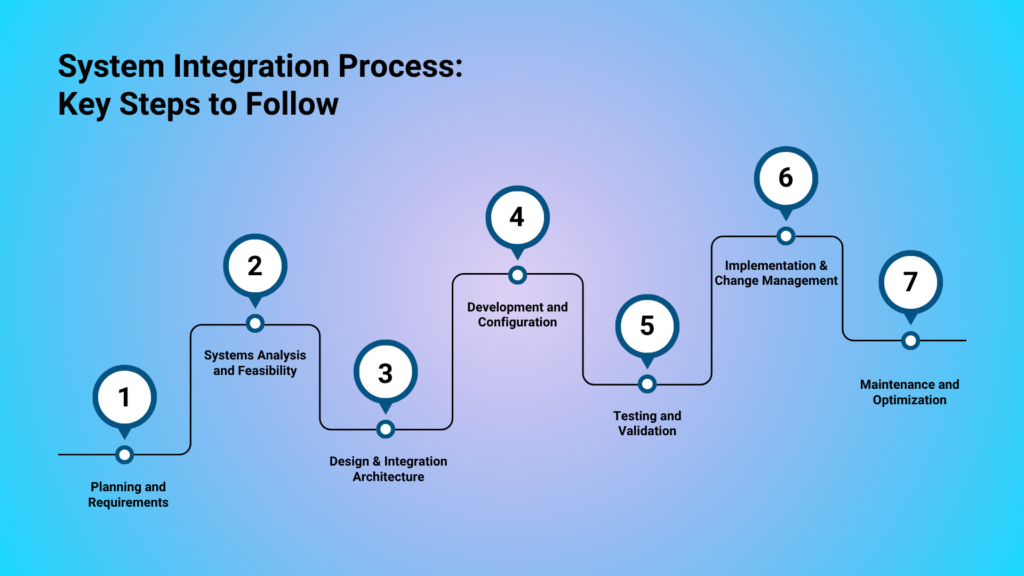
Effective digital operations are built on a few essential components. System integration ensures tools communicate properly. Reliable infrastructure keeps websites and services stable. Secure access control protects data and users. Automation reduces repetitive work and human error. Monitoring and reporting provide real-time visibility into what is happening across the organisation. Together, these components form a foundation that supports growth without constant firefighting.
Digital Operations Framework at a Glance
| Area | Focus | Outcome |
|---|---|---|
| Website & Hosting | Performance, uptime, security | Faster access, higher credibility |
| Email Systems | Deliverability and identity | Professional communication |
| CRM & Databases | Centralised data management | Better decisions |
| Automation | Workflow efficiency | Time and cost savings |
| Monitoring & Reporting | Visibility and control | Proactive issue handling |
| This framework helps organisations move from reactive maintenance to structured, predictable operations. |
How Strong Operations Elevate Organisational Reputation
When digital operations run smoothly, it shows. Websites load quickly, emails reach inboxes, data is accurate, and teams respond confidently. These signals build trust with clients, partners, and internal stakeholders. Over time, operational consistency becomes part of the organisation’s reputation. It reflects professionalism, reliability, and readiness to scale.
Designing Operations with Long-Term Thinking

