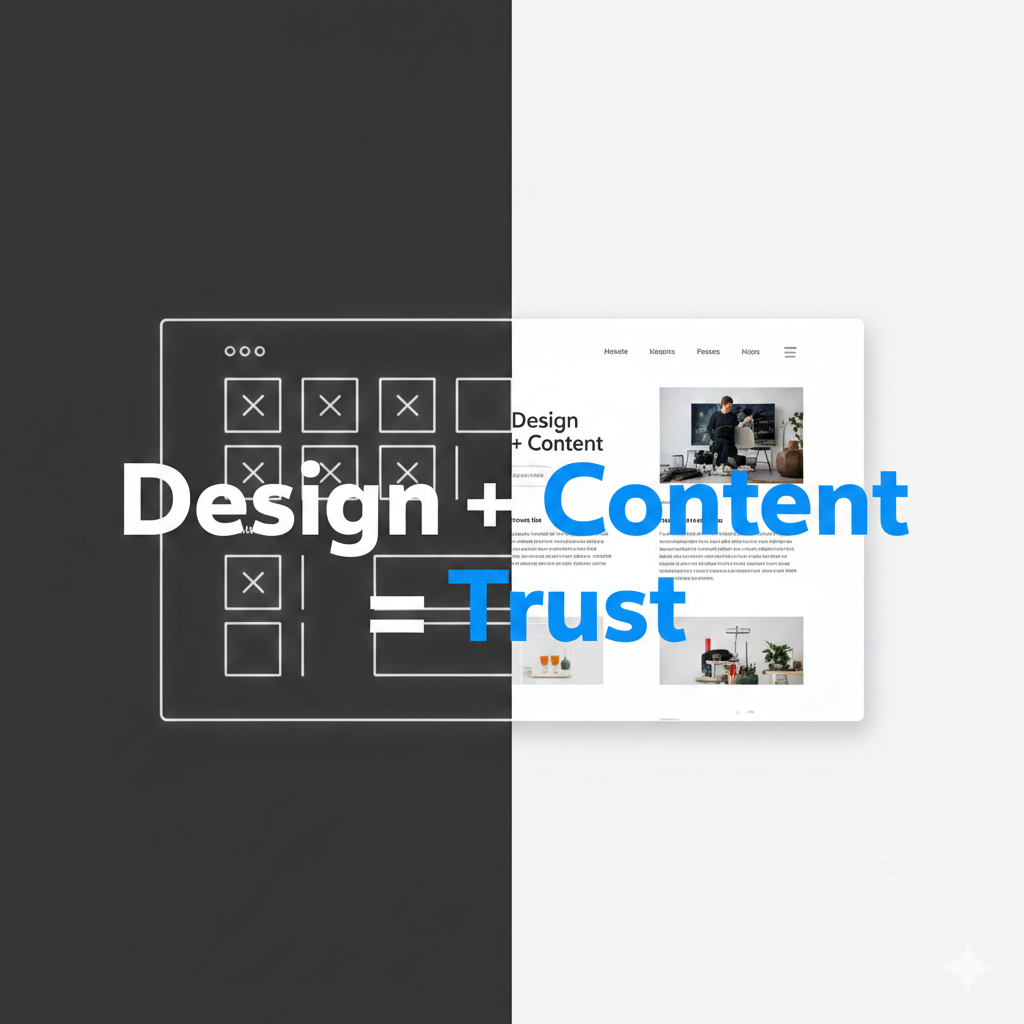
In a digital world flooded with visuals, words, and promises, most designs look good—but very few actually work.
Good design without clear content is noise. Good content without thoughtful design gets ignored.
What truly moves people to trust, engage, and act is the alignment between design and content.
This guide breaks down how design and content work together to create digital experiences that are not only beautiful, but meaningful, effective, and scalable.
1. Why Design and Content Should Never Be Separated
Design is not decoration. Content is not filler.
When design and content are treated as separate tasks, the result often feels disconnected:
beautiful layouts with empty messages, or powerful words buried under poor structure.
When aligned, they:
-
Communicate clarity instead of confusion
-
Guide users instead of distracting them
-
Build trust instead of friction
At their best, design and content form a single system that helps users understand, decide, and act with confidence.

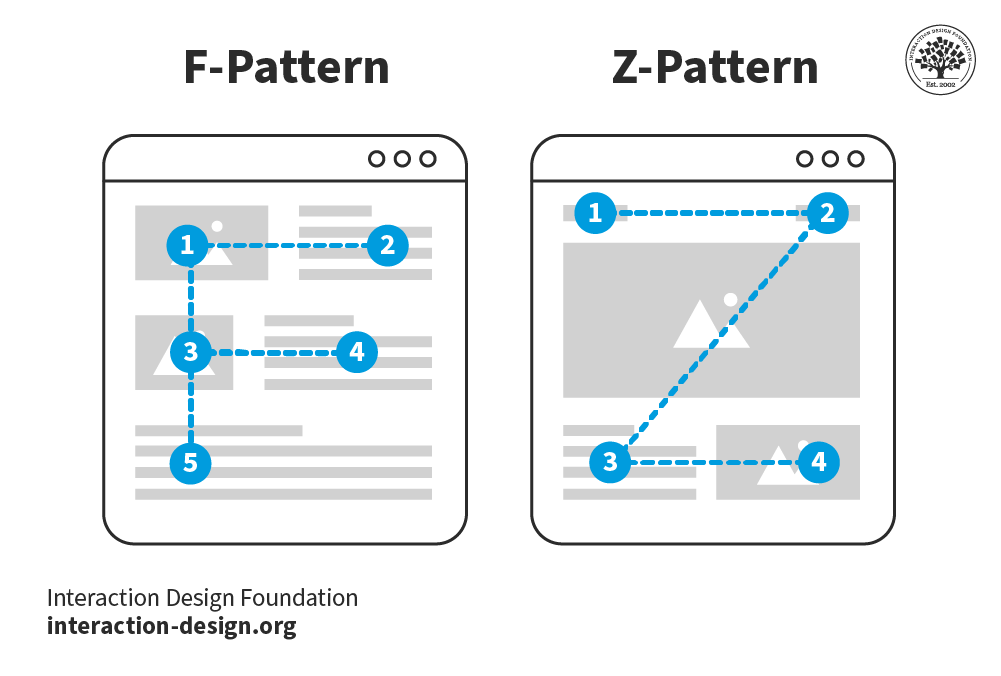
2. The Core Elements of Effective Design & Content
Strong digital experiences are built on a few timeless principles. These elements remain relevant regardless of trends, tools, or platforms.
| Element | Role in Design & Content |
|---|---|
| Clarity | Users should instantly understand what is being offered |
| Hierarchy | Important messages stand out without shouting |
| Consistency | Visuals, tone, and messaging feel cohesive |
| Context | Content answers user needs at the right moment |
| Intent | Every section has a purpose, not just presence |
When these elements work together, users don’t need to “figure things out”—they simply flow.
3. Designing for Humans First, Algorithms Second
Modern digital work must satisfy both people and machines—but humans always come first.
Well-structured design naturally helps:
-
Search engines understand your pages
-
AI systems extract meaning accurately
-
Assistive technologies navigate content correctly
Clear headings, readable layouts, and purposeful visuals do more than improve rankings—they improve comprehension and trust.
Design that respects human attention almost always performs better with algorithms too.

4. Content That Guides, Not Just Explains
Effective content does more than inform. It guides users through a mental journey.
Good content design:
-
Anticipates questions before they are asked
-
Breaks complexity into digestible parts
-
Uses tone that feels human, not mechanical
Instead of overwhelming users with information, it creates momentum—leading them naturally from curiosity to understanding, and from understanding to action.
5. Visual Design as a Trust-Building Tool
Trust is rarely stated directly. It is felt.
Design choices such as spacing, typography, color, and imagery quietly communicate:
-
Professionalism
-
Credibility
-
Attention to detail
Users often decide whether to trust a website within seconds. Visual consistency and thoughtful presentation signal that the same care will extend to the service or product itself.
6. From Strategy to Execution: Making Design & Content Work Together
Effective execution starts long before pixels or paragraphs.
A solid process usually includes:
-
Understanding the audience and their intent
-
Defining the message before the layout
-
Designing structure around meaning, not trends
-
Refining language to match visual tone
-
Testing clarity, not just aesthetics
This approach ensures that every design choice reinforces the message, and every piece of content fits its visual environment naturally.
7. Sustainable Design & Content for Long-Term Growth
Evergreen digital work is not built on trends—it’s built on principles.
Design and content that age well:
-
Focus on fundamentals over gimmicks
-
Prioritise usability over novelty
-
Are easy to maintain and evolve
When done right, your website becomes a long-term asset, not a recurring problem that needs constant fixing.
Conclusion
Design and content are not separate disciplines—they are two sides of the same experience.
When aligned, they create clarity, build trust, and quietly move users toward action.
When treated with intention, they turn websites from static pages into meaningful digital touchpoints.
This is the difference between simply having a website and actually using it to grow.