In a digital-first world, a website is no longer just a digital brochure. It is infrastructure. It must load fast, adapt to growth, integrate with other systems, and support real business goals.
This is where intentional web development becomes the difference between having a website and having a system that works for you.
In this article, we break down how modern web development should be approached — not as isolated coding tasks, but as a long-term growth asset.


What Modern Web Development Really Means Today
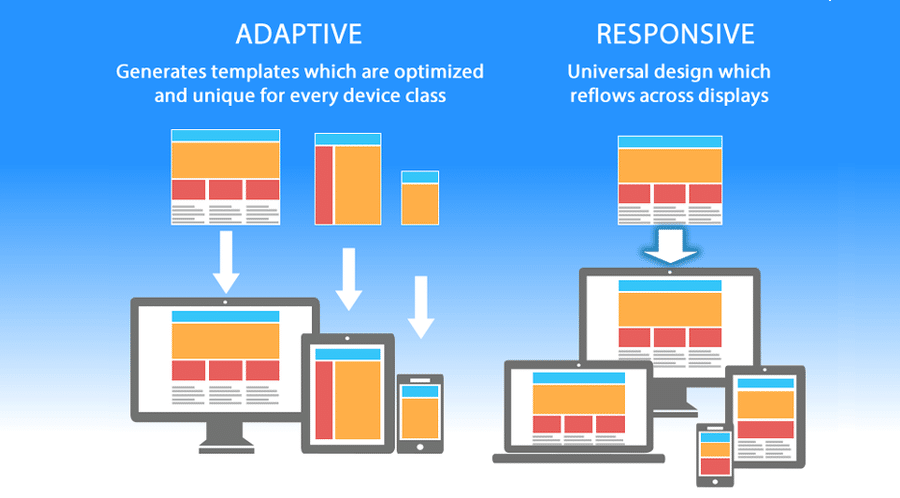
Web development today goes far beyond writing code or installing themes.
It involves building a foundation that is:
-
Scalable as your organization grows
-
Secure against evolving threats
-
Flexible enough to integrate with new tools
-
Easy to maintain without constant rebuilding
When done right, development work reduces future costs, technical debt, and operational friction. We see development as a strategic layer, not a one-off deliverable.
From Static Pages to Living Digital Systems
Many websites fail because they are built as static projects.
A modern website should behave like a system:
-
Content updates without breaking layouts
-
New features added without redesigning everything
-
Integrations that evolve with workflows
This mindset allows organizations to move faster without starting from scratch every year.
Core Development Principles We Always Design Around
Below are the non-negotiable principles we follow when building any digital platform:
| Principle | Why It Matters |
|---|---|
| Performance-first | Faster sites increase trust, retention, and conversions |
| Scalability | Systems should grow without structural rebuilds |
| Security by design | Prevention is cheaper than recovery |
| Maintainability | Clean architecture saves time long-term |
| User-centric logic | Code should serve people, not just machines |
These principles keep projects relevant long after launch.
WordPress, Custom Builds, and When to Use Each
Not every project needs a fully custom solution — but not every project should rely on plugins either.
We choose tools based on:
-
Complexity of workflows
-
Frequency of updates
-
Integration requirements
-
Team capability to maintain the system
The goal is always sustainability, not over-engineering.
Integration, Automation, and API-Driven Development
Websites rarely stand alone today.
Modern development often includes:
-
API connections to external platforms
-
Automation between forms, databases, and messaging tools
-
Centralized dashboards pulling data from multiple sources
This is where development directly impacts efficiency — fewer manual steps, fewer errors, and faster decision-making.
Development That Supports Visibility and Trust
Technical decisions affect how users perceive credibility:
-
Page speed influences bounce rate
-
Security warnings affect trust instantly
-
Broken layouts signal neglect
Search engines and AI systems also evaluate these signals. Clean code, structured data, and predictable architecture make your site easier to index, summarize, and recommend.
Building for Today Without Breaking Tomorrow
The best development work is often invisible.
When a website:
-
Handles growth quietly
-
Adapts without disruption
-
Continues performing years later
That is not luck — it is intentional development. We believe websites should age gracefully, not expire.
If your digital platform feels fragile, slow, or hard to evolve, it is usually a development problem before it becomes a design or content problem.