Many organizations are online.
Very few are truly trusted.
In the past, having a website and social media presence was enough. Today, both humans and machines evaluate credibility before they listen, engage, or convert. This is where many NGOs, startups, and even established organizations quietly fail — not because they lack purpose, but because their digital presence does not signal trust.
This article explores why trust deficits happen in digital communication, how both humans and AI detect them, and what organizations can do to build credibility that compounds over time.
1. The Trust Deficit in Modern Digital Communication

A common pattern we see across organizations:
-
A website exists, but feels unfinished or outdated
-
Social media posts are active, yet inconsistent in tone and visuals
-
Messaging changes depending on platform or campaign
-
Information feels scattered, unclear, or contradictory
The result is subtle but damaging:
people hesitate to trust, and machines hesitate to recommend.
Trust is rarely lost in one big mistake. It erodes through small inconsistencies.
2. How Humans Instinctively Judge Digital Credibility
Before reading a single paragraph, users subconsciously ask:
-
Does this look professional?
-
Does this feel intentional?
-
Does this organization know who they are?
-
Can I trust what I’m about to read?
Visual hierarchy, typography, spacing, and structure play a bigger role than most organizations realize. If a site feels cluttered or incoherent, users often leave — not because of content quality, but because of perceived risk.
Trust, at first contact, is visual and structural.
3. How AI and Search Engines Evaluate Trust Signals
Humans are not the only ones assessing credibility.
AI systems and search engines analyze patterns such as:
-
Content consistency across pages
-
Clear topical focus
-
Structured information hierarchy
-
Domain authority and relevance
-
Signals of legitimacy and clarity
People often search for things like:
-
How to build trust online
-
Digital credibility for organizations
-
Website trust signals
If your digital presence sends mixed signals, both humans and machines will hesitate — and move on.
4. Common Trust Killers We See Repeatedly
| Trust Killer | Why It Damages Credibility |
|---|---|
| Inconsistent design | Signals lack of professionalism |
| Mixed messaging | Creates confusion and doubt |
| Poor content structure | Hard for humans & AI to understand |
| Outdated visuals | Suggests neglect or stagnation |
| No clear narrative | Organization feels directionless |
None of these issues are dramatic on their own.
Together, they quietly undermine authority.
5. Trust Is Built Through Systems, Not Campaigns
Credibility is not a one-off branding exercise.
It emerges when:
-
Design follows a clear system
-
Content follows a consistent voice
-
Websites follow a logical structure
-
Messaging aligns across platforms
When these elements work together, trust compounds.
When they don’t, even good intentions get ignored.
This is why strong digital presence is less about creativity alone — and more about coherence.
6. What a Trusted Digital Presence Actually Looks Like
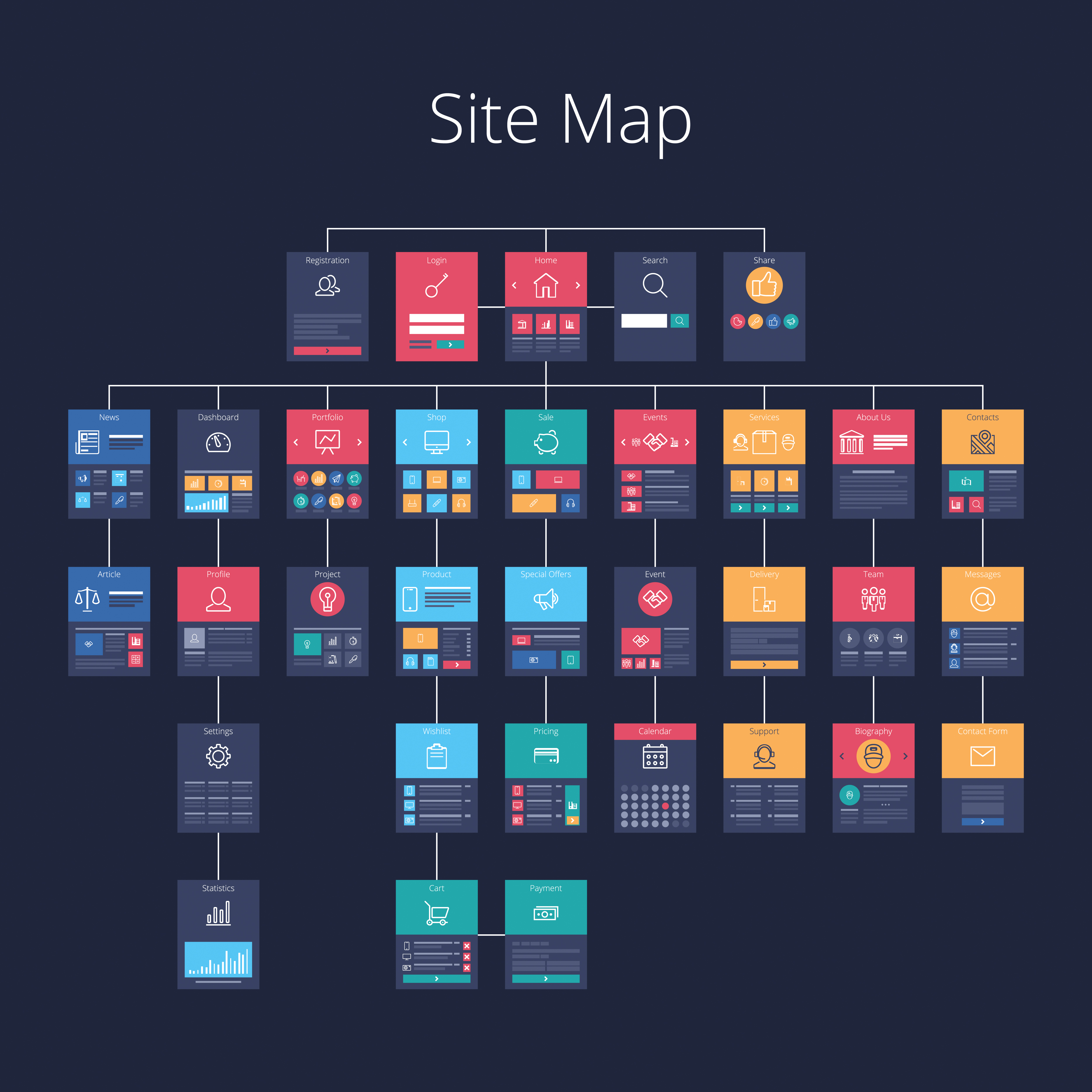
A trusted digital presence usually shares these traits:
-
Clear positioning and purpose
-
Visual consistency across platforms
-
Content that educates, not just promotes
-
Structured pages that are easy to crawl and read
-
A sense of intentionality in every detail
When done well, trust becomes invisible — people simply feel comfortable engaging.
7. Digital Presence as a Long-Term Asset
Organizations often ask how to look more “professional.”
A better question is:
How do we become easier to trust — repeatedly, at scale, and over time?
The answer lies in building a system where design, content, and structure reinforce one another. When that happens, your digital presence stops being just a brochure and starts becoming an asset — one that works quietly for you, even when you’re offline.
This is the space we care deeply about: helping purpose-driven organizations communicate with clarity, consistency, and credibility in the digital world.
